

TechnologyMay 23, 2026
2026 State of Smart Manufacturing Report
90% of manufacturers say digital transformation is now essential, According to New Global Study. 2026 State of Smart Manufacturing Report shows manufacturers scaling AI, strengthening operations and focusing on measurable outcomes.
The 11th annual “State of Smart Manufacturing” report has been released by Rockwell Automation. The global study of more than 1,500 manufacturers across 17 countries shows a shift in industry focus as manufacturers are no longer debating whether to adopt digital technologies, but how to execute, scale and deliver measurable value from them.
The report reflects an inflection point for the industry, as many manufacturers move beyond experimentation and toward broader deployment of digital capabilities. Fewer organizations are operating in pilot mode, while more report active use of smart manufacturing technologies to support day-to-day operations.
The study found that 90% of manufacturers now say digital transformation is essential to staying competitive, reflecting its evolution into a baseline business requirement.
90% of manufacturers say digital transformation is now essential, According to New Global Study. 2026 State of Smart Manufacturing Report shows manufacturers scaling AI, strengthening operations and focusing on measurable outcomes.
“Across the industry, manufacturers are facing more complexity and pressure than at any point in the last decade,” said Blake Moret, chairman & CEO, Rockwell Automation. “What stands out in this year’s research is not just the challenges, but how leaders are responding – by making digital transformation a core operating priority. The organizations that are seeing results are those that connect technology, people and processes to turn insight into better decisions, stronger performance and greater resilience.”
Key findings from 2026 State of Smart Manufacturing report
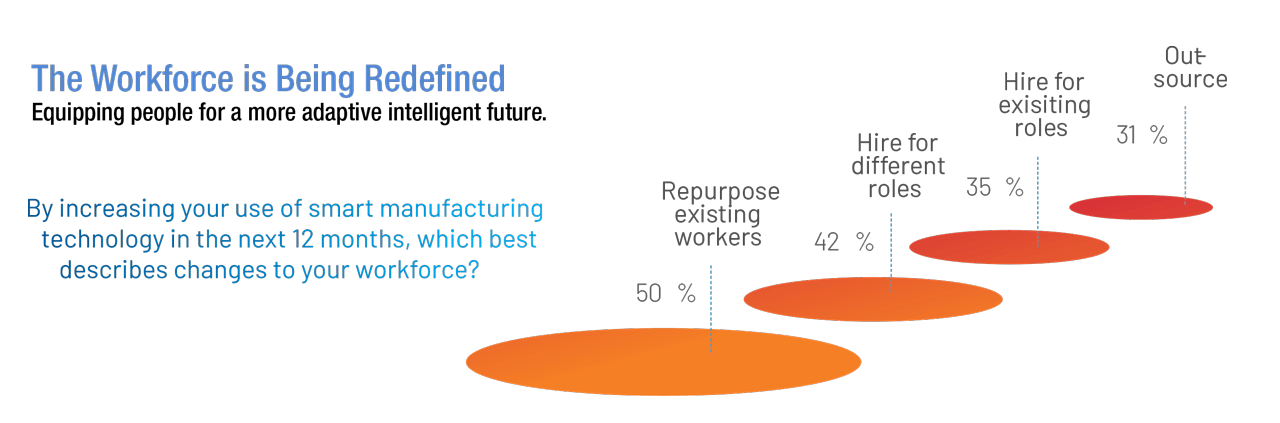
Manufacturers are moving from pilots to scale: 6 in 10 manufacturers (59%) report actively using smart manufacturing technologies to support operations, while only 18% remain in pilot mode, marking the decline of the pilot-heavy phase that dominated previous years.
AI is becoming the engine of industrial advantage: One-third of operations (34%) are AI-augmented today, supporting functions such as quality, cybersecurity and process optimization. Manufacturers expect more than half of operations to be AI-supported by 2030, reinforcing AI’s role as a core operational capability.
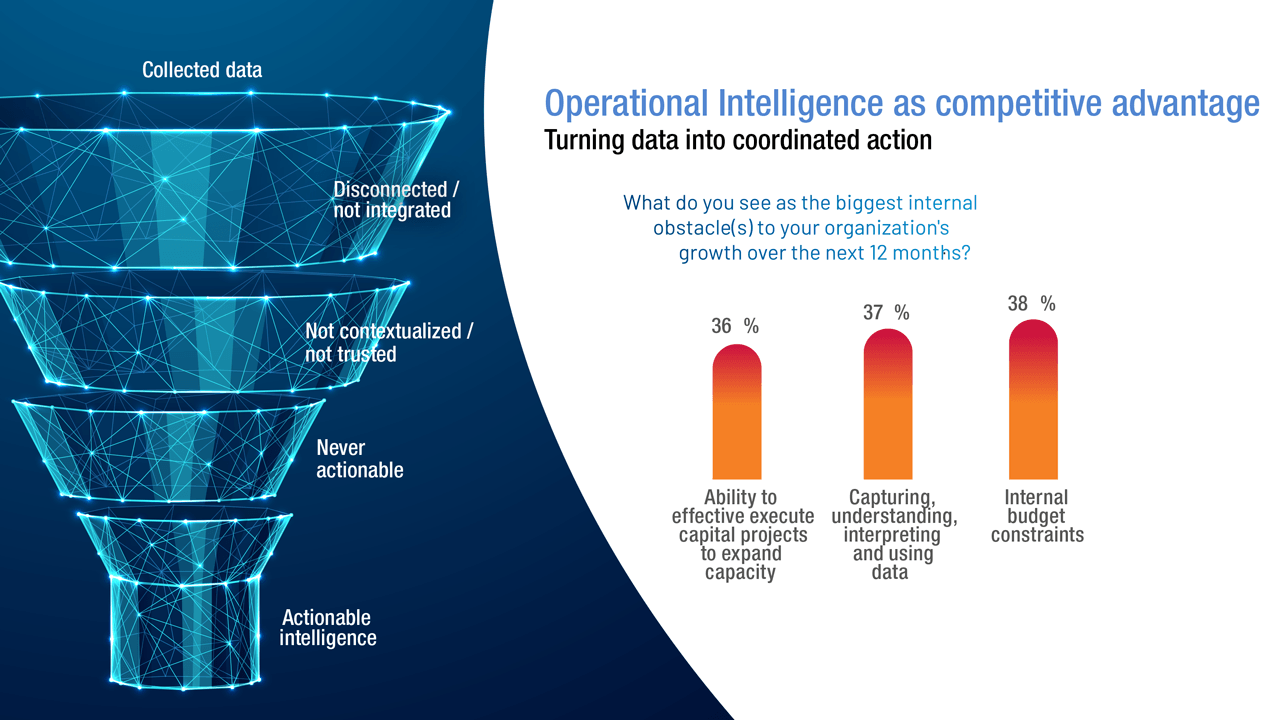
Operational intelligence is now a competitive divider: While organizations continue to collect growing volumes of data, only 43% is being used effectively, highlighting execution — not data availability — as a constraint on performance.
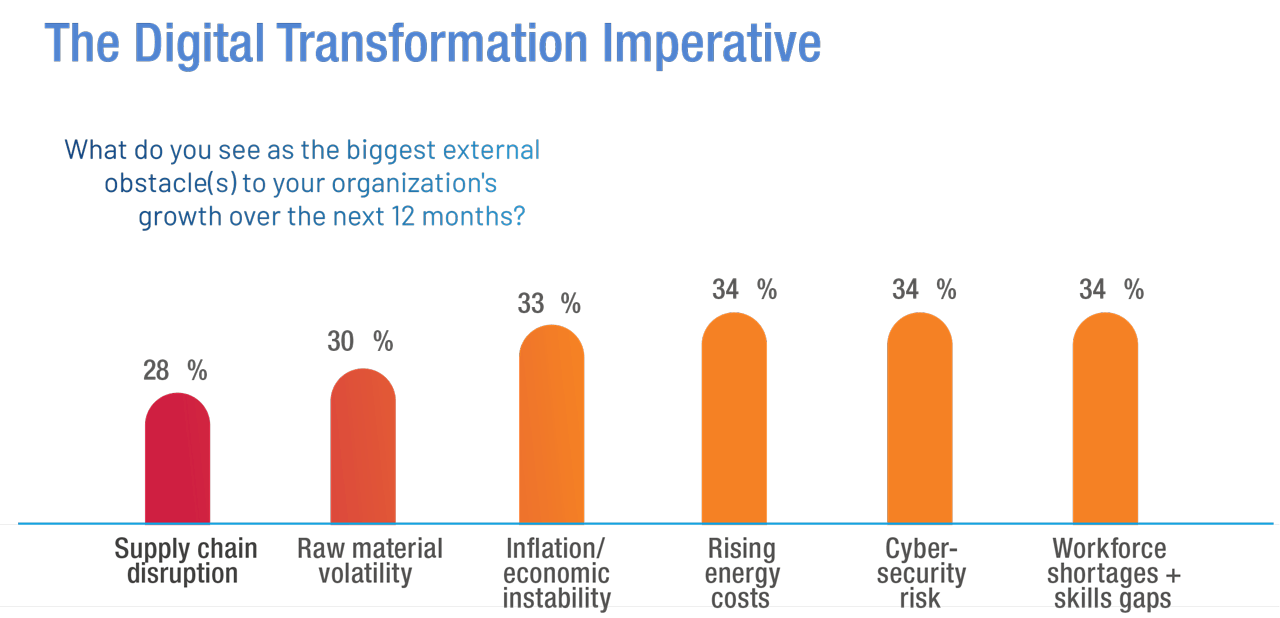
Cybersecurity is an operational reality: Nearly half of manufacturers (46%) experienced at least one cyber incident in the past year, reflecting rising exposure as operations become more connected and autonomous. Secure, integrated IT/OT architectures are now foundational to scaling AI and advanced automation.
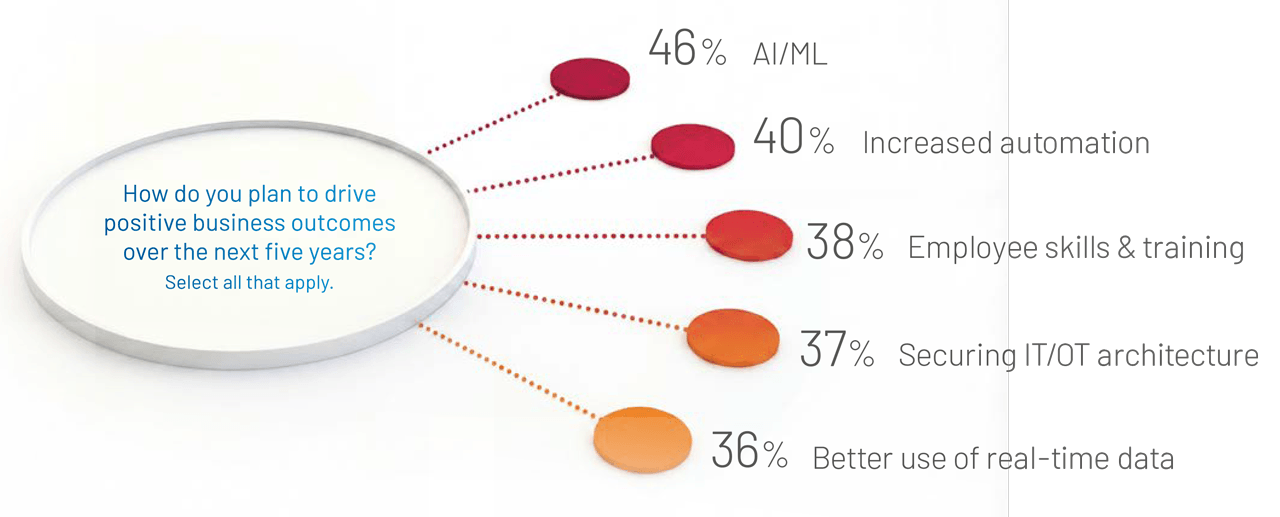
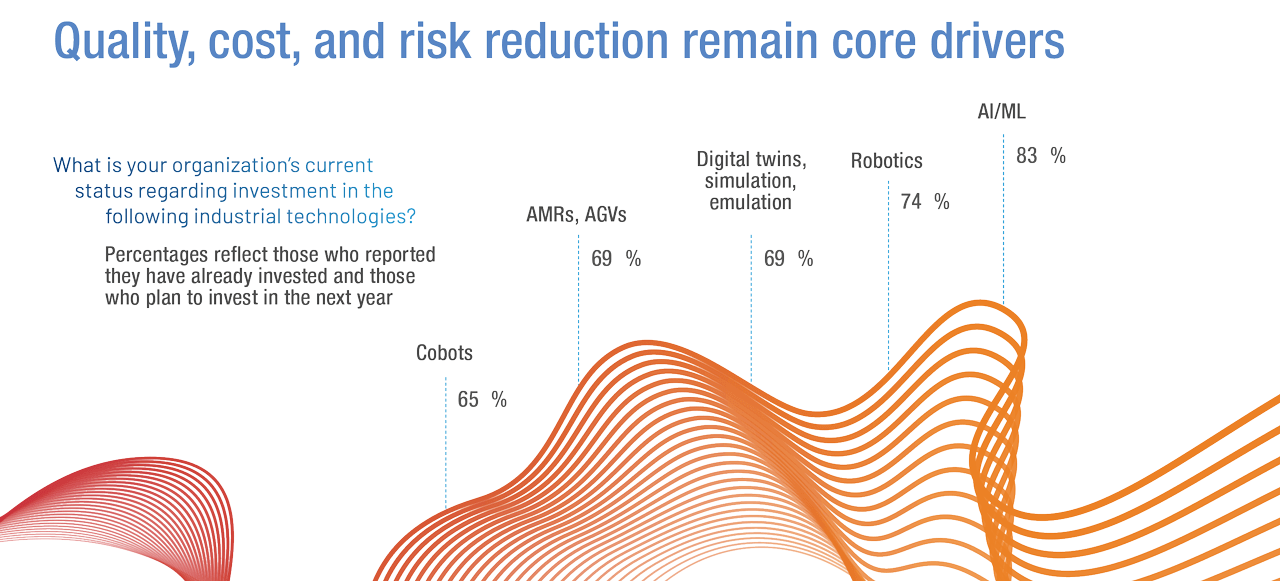
The report also finds that manufacturers are targeting transformation investments toward measurable outcomes – improving quality, reducing cost, lowering operational risk and increasing overall equipment effectiveness. One-third of operating budgets remain dedicated to industrial technology, signaling sustained, execution-focused investment rather than short-term experimentation.
The 2026 State of Smart Manufacturing Report draws on more than a decade of global research to highlight the capabilities shaping modern industrial operations, including intelligence, resilience, adaptability and workforce transformation.
Methodology
This report analyzes feedback from 1,560 respondents across 17 of the top manufacturing countries representing roles from management through C-suite and was conducted by Sapio Research in association with Rockwell Automation.
The survey sampled from a range of industries including Consumer Packaged Goods, Food & Beverage, Automotive, Semiconductor, Energy, Life Sciences, and more. With a balanced distribution of company sizes with revenues spanning $100 million to over $30 billion, it offers a wide breadth of manufacturing business perspectives.
View the complete “2026 State of Smart Manufacturing” report by clicking below.